this post was submitted on 25 May 2026
664 points (97.2% liked)
memes
21367 readers
2545 users here now
Community rules
1. Be civil
No trolling, bigotry or other insulting / annoying behaviour
2. No politics
This is non-politics community. For political memes please go to !politicalmemes@lemmy.world
3. No recent reposts
Check for reposts when posting a meme, you can only repost after 1 month
4. No bots
No bots without the express approval of the mods or the admins
5. No Spam/Ads/AI Slop
No advertisements or spam. This is an instance rule and the only way to live. We also consider AI slop to be spam in this community and is subject to removal.
A collection of some classic Lemmy memes for your enjoyment
Sister communities
- !tenforward@lemmy.world : Star Trek memes, chat and shitposts
- !lemmyshitpost@lemmy.world : Lemmy Shitposts, anything and everything goes.
- !linuxmemes@lemmy.world : Linux themed memes
- !comicstrips@lemmy.world : for those who love comic stories.
founded 3 years ago
MODERATORS
you are viewing a single comment's thread
view the rest of the comments
view the rest of the comments
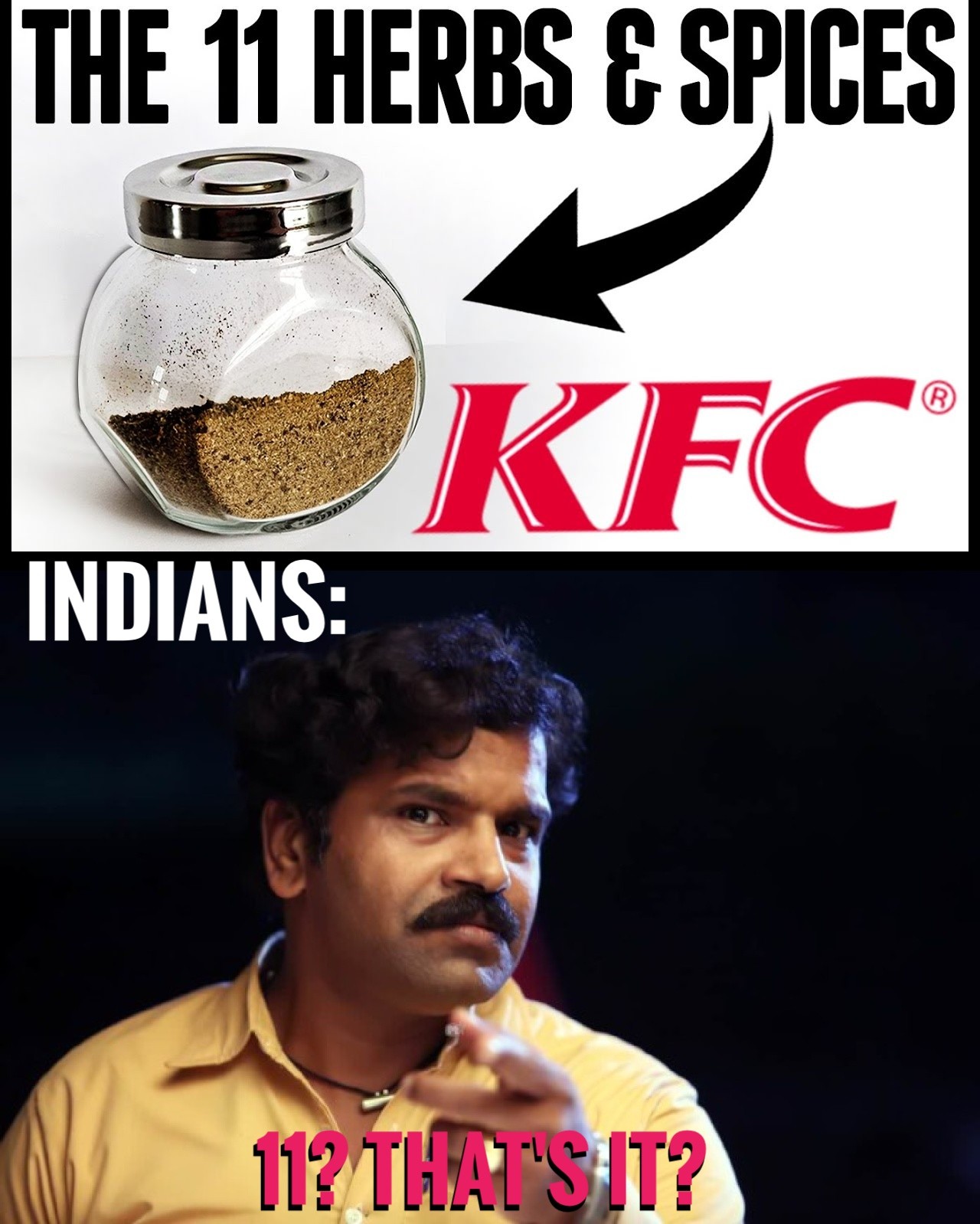
The Indian subcontinent has always been blessed with a plethora of spices. The Ottoman capture of Constantinople and fall of the Byzantine empire led to the advent of the the so called Age of Discovery as the Portugese and various "East India trading companies" sought to bypass their tariff implemented on goods shipped through the Middle East and North Africa.
These very first multinational corporations were so successful that spices became ubiquitous in Europe and eventually lost the prestige of being a foreign luxury for the elite. That change ended up altering the emphasis of certain flavors in European cuisine, with a preference away from using many spices:
https://www.npr.org/sections/thesalt/2015/03/26/394339284/how-snobbery-helped-take-the-spice-out-of-european-cooking
What's in-between the lines here is that the newer elite food aesthetic takes substantially more labor, skill, energy, and time. This effectively gate-keeps "simple" food from most people. It's not until well after the industrial revolution where we see these kinds of meals become more affordable for people.
This is a great example of what I'm talking about. Anyone can roast a cut over a fire or just toss raw meat into a stewpot. But a rack of lamb with a rich demi-glace? From scratch, in an 18th century kitchen? And that's not the only course? Yeah, strap in, because that meal just became an all-day job if you don't have any help.
Damn, I kinda want to invade and colonise India now, repress freedom movements and cause famines 🤔
In order to enjoy my chicken, a noble cause
Trevor Noah does a hilarious bit about MLK Jr. and his friends going to a white diner after ending segregation which ends with them questioning their choices after tasting the (relatively bland) chicken 😂.