
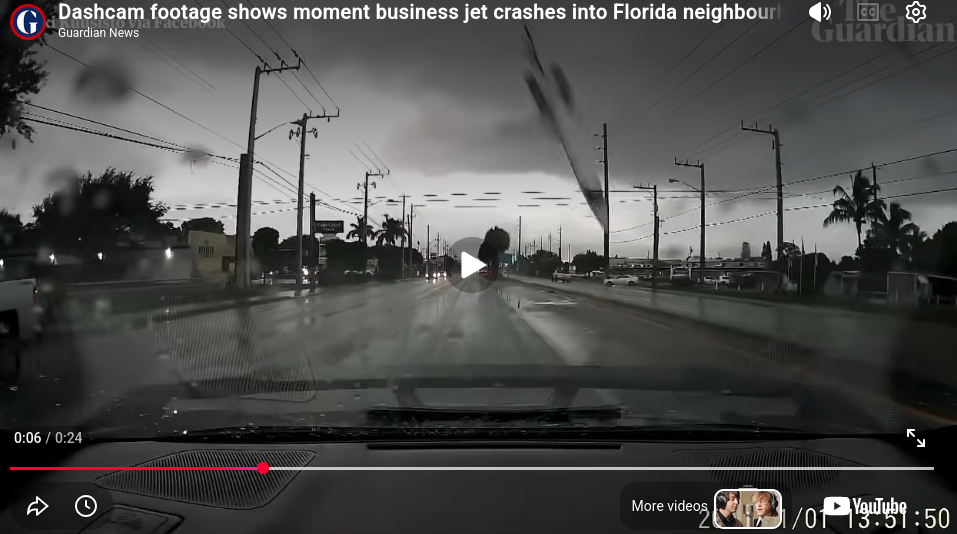
only frame that matters i spose
Rules:
1.. Please mark original photos with [OC] in the title if you're the photographer
2..Pictures containing a politician from any country or planet are prohibited, this is a community voted on rule.
3.. Image must be a photograph, no AI or digital art.
4.. No NSFW/Cosplay/Spam/Trolling images.
5.. Be civil. No racism or bigotry.
Photo of the Week Rule(s):
1.. On Fridays, the most upvoted original, marked [OC], photo posted between Friday and Thursday will be the next week's banner and featured photo.
2.. The weekly photos will be saved for an end of the year run off.
Instance-wide rules always apply. https://mastodon.world/about
only frame that matters i spose
Anti icing equipment built into the plane. That's accomplished via a few different methods. An important distinction is that deicing is removing ice that has already formed, where as anti-ice prevents new ice formation. Most deicing options are only able on the ground, so it's important to have anti ice up and running before major accumulations occur.
According to the ATC recordings, the FO reported that they were using their anti ice. Unfortunately, anti ice can only handle so much, and it seems like they may have ended up in conditions that overwhelmed their ability to prevent it. They tried to go to a higher altitude to escape the icing, but it obviously came too late. Ultimately, that'll be for the NTSB to decide what the root causes were. Hopefully the FDR survived by some miracle.
Just a little correction, 4 is physical and not chemical.
Is it? It's melting via freezing point depression rather than heating, which I thought made it a chemical process rather than a physical one.