There was already a lot of ML bullshit from the big data bubble ~ 2010 and before ChatGPT, together with all of the fuss about data scientists. But now it's a 100 times worse.
oce
joined 2 years ago
The link doesn't work for me.
Even if the initial intention is positive, I think this degree of dependency on external services is not realistic even if mega corps were not as bad as they are currently.
Waiting for the milk
Could be that the unusual characters make the comment less readable.
It's the authoritarian way, as seen in pretty much any country who had it.
I looked for the original article, abstract:
Human capital—encompassing cognitive skills and personality traits—is critical for labor market success, yet the personality component remains difficult to measure at scale. Leveraging advances in artificial intelligence and comprehensive LinkedIn data, we extract the Big 5 personality traits from facial images of 96,000 MBA graduates, and demonstrate that this novel" Photo Big 5" predicts school rank, compensation, job seniority, industry choice, job transitions, and career advancement. Using administrative records from top-tier MBA programs, we find that the Photo Big 5 exhibits only modest correlations with cognitive measures like GPA and standardized test scores, yet offers comparable incremental predictive power for labor outcomes. Unlike traditional survey-based personality measures, the Photo Big 5 is readily accessible and potentially less susceptible to manipulation, making it suitable for wide adoption in academic research and hiring processes. However, its use in labor market screening raises ethical concerns regarding statistical discrimination and individual autonomy.
The PDF is downloadable here: https://scholar.google.com/citations?view_op=view_citation&hl=en&user=2eia4X4AAAAJ&sortby=pubdate&citation_for_view=2eia4X4AAAAJ%3A_FxGoFyzp5QC
I don't have the time nor the expertise to read everything to understand how they take into account the bias that good looking white men with educated parents are way more likely to succeed at life.
I'm glad they finally had an easy to understand example of why depending on a closed source ecosystem from a foreign country is insane for any kind of public authority.
Does that mean I will have more choice in which surveillance agency I want to be spied by?
I guess your job market as a scientist is even worse than for IT engineers right now. So I would keep looking for a new job while keeping my head down at the current one until I can safely secure a new one. There's also a possibility that your problems at 2 months will get better after 6 months once you get to know all your colleagues better and make some allies.
Agreed, in general actually, not just for this comm. But it's impossible to enforce, it's too difficult for most humans to upvote/downvote only to promote relevancy and quality, rather than agreement. I don't see any solution for this in a public internet forum.
1
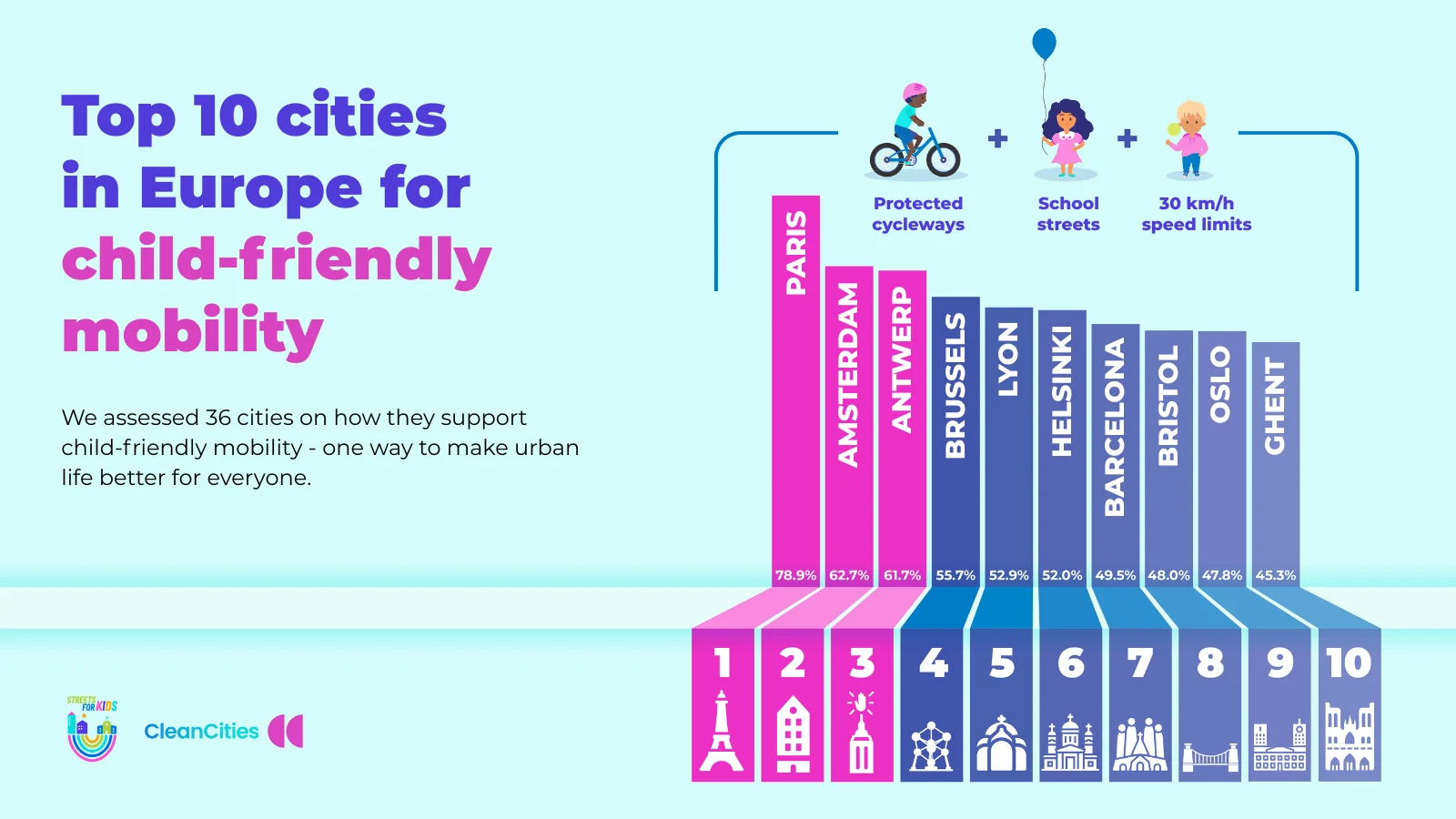
Paris, Amsterdam and Antwerp on the podium of the safest European cities for kids' circulation
(cleancitiescampaign.org)
view more: next ›
There's also a lot of manual human labor to build LLMs, I was surprised. From exploited African data labelers who have to shift through the most horrific things the web has to offer and remain traumatized for life, to highly paid domain experts who work on improving final results so it ends up looking like a simulation of themselves.