
206
For those with lower-back issues, what's been the best work-chair for you?
(media.piefed.social)
Me, I have a disease which is kinda wiping out my connective tissue over time, which includes those lovely soft discs in my spine, dammit. Biggest current issue with that is that it's getting harder and harder to sit at my desk for more than ~15min without lower back pain ratcheting up...
So I was wondering if anyone here with lower back issues has found a chair that helped them sit?
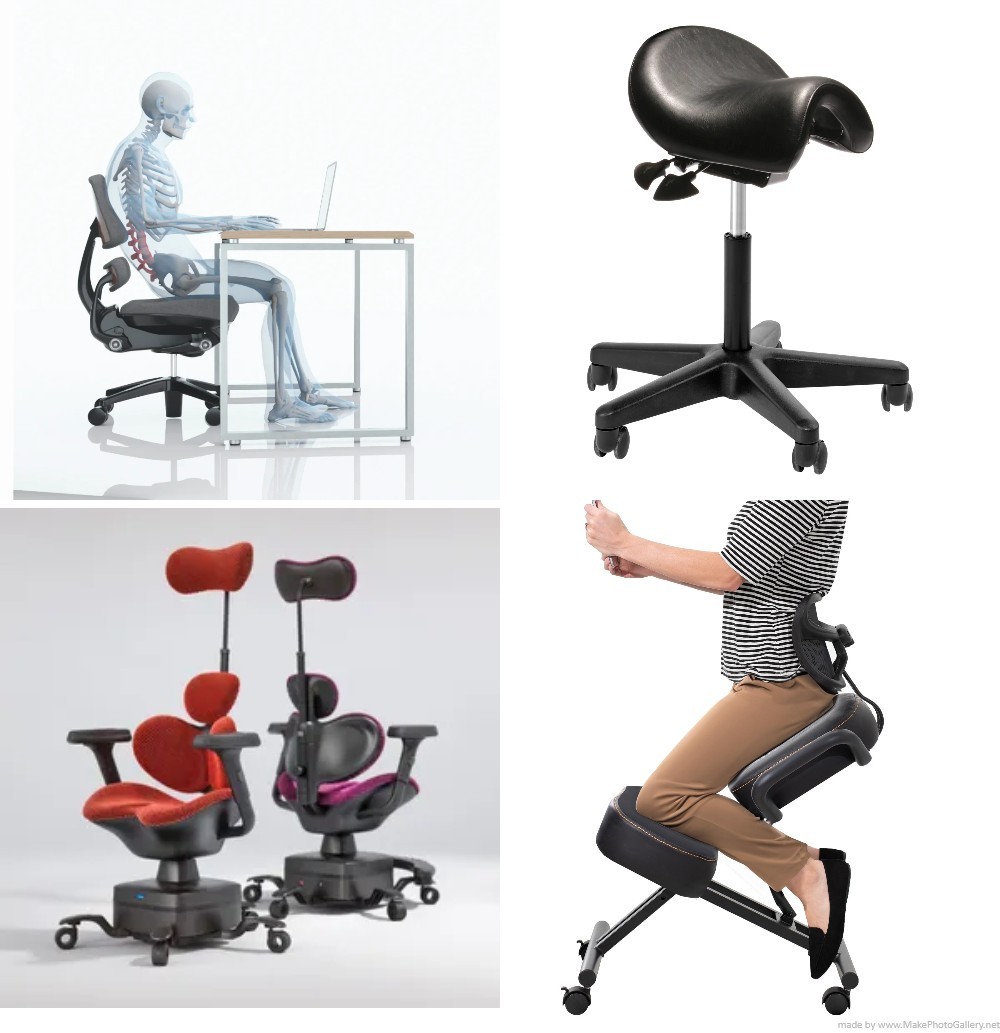
From L-R, T-B, chair #2 is a saddle chair, which looks kinda interesting. Chair #4 is one I used to have, which seemingly tries to keep the spine perfectly straight-up, but it was also hell on my knees.
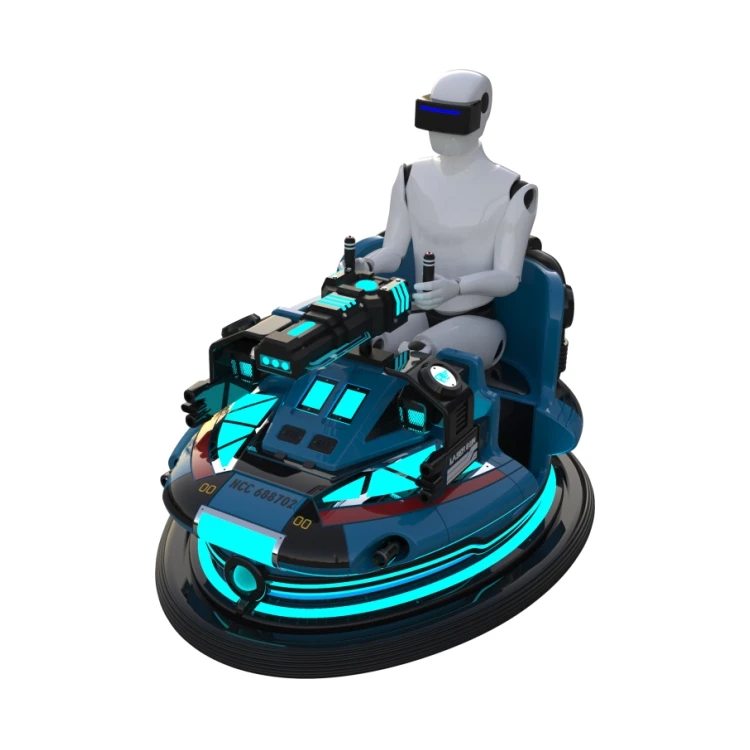
Now, chair #3 kinda looks like a Star Trek-style bumper-car that I'd want to ride in my very last visit to an amusement park. 😄
(right-click as needed)
Yes and no.
Sitting is the/my enemy. So, I use an adjustable standing desk with the best standing mat I could afford.
When I can/wan to sit, I sit, while the rest of the time I have the desk at my usual standing height and use the standing mat instead of the chair. The standing mat is key to help reduce fatigue & stress (feet, legs and back). I may also put it at different heights from time to time, depending how... tired my back is.
At least as important, I try to never sit longer than an hour.
I will get up and walk (either going out for a real long walk) or just be standing and walking in my home office. I may even dictate draft notes to a pocket recorder while I'm doing that.
As you can imagine, the chair is not the most important for me in that configuration but I do have one. It is one of those gaming chairs. Just a model for people that are well over my weight (so it's rather firm). It's ugly as hell (and quite large) but it offers all the adjustments I need : height and the ability to lean back as much as I wish (it can almost lay flat). I removed the arm rests that are rather... useless and cumbersome. When I sit, I also use a little cushiony stand thingy, on which I rest my feet at a slight angle. This seem to quite help my back too.
Imho, your doctor should be able to suggest you some better chairs than any random stranger online could... even if it's me ;)
Still, I hope this can help you a little bit: I know too well how our back can be a bitch.
Interesting, thank you!
Do you also do specific exercises for your lower back?
Walk is my main kind of exercise. Daily walks. But I also wear orthopedic soles. As for real exercises I do some my osteopath taught me... The guy I was sent to by another doctor who I told when I sat in front of him: what I know of your practice makes me very doubtful you can achieve anything serious. I was wrong. So wrong.
I do like walking all around!
Unfortunately, people with CFS/ME commonly suffer a severe-payback upon walking 'too much,' so it's like I must carefully walk 'just the right amount each day, and nothing more.' (we commonly get "post-exertional malaise" or P.E.M.)
It's so weird... I can walk around happily, with the best intentions, but then lay myself up for many days in bed afterwards, with some of my worst depression ever... just by walking around too dang much. &^@#$
Right there with you on the chronic fatigue syndrome. I had a big collapse about two years ago and have been rebuilding slowly since then.
Maybe it will be helpful to you if I share my experiences?
I find it's absolutely key to avoid outdoor walking for exercise, and do it instead on a treadmill with a timer and digital speed control. That way I can precisely track and control how long, how intensely, and in what environmental conditions I exercise. Little things like temperature, wind, air quality, social interactions positive and negative, waiting times at intersections, route changes due to obstructions, and sound levels add up fast as variables that change true time spent and overall energy expenditure.
And it gives me a true barometer of how I'm doing -- I can sometimes detect incoming flareups before they start just by realizing I'm reaching my "stop now" level sooner than usual. I stop right away (never push past that feeling).
Then I can adjust my schedule (including skipping the next exercise day) and my commitments, to head it off before it gets worse, to plan for extra rest, and to just not feel so blindsided, guilty, and useless.
Going outside for fun is different -- should still do that -- I've just found that it's too uncontrolled for the critical survival exercise I need to conduct.
This has made a major difference in my quality of life!
Thanks for sharing!
I have a bike trainer at home, and do something roughly along the lines you state, but less in terms of notes and quantifiables, and more in terms of interoception, which seems to work pretty well. Oddly, higher-exertion activities, such as riding that way, or dancing on my wooden floors, seem to be much better for me than walking, maybe because I get more of a heart workout that way.
Damn, that sucks. Mine has pretty much been a constant all my life, in which it distinctly doesn't pay to get older.
Btw, in terms of CFS/ME, this chart kind of gives an idea of possible causes and research paths:
https://ars.els-cdn.com/content/image/1-s2.0-S1568997226000571-gr1.jpg
From this study:
https://www.sciencedirect.com/science/article/pii/S1568997226000571
Thank you for the links and for sharing, also! I've always had it too, but have had a few critical episodes in my life where it suddenly became a bigger factor. Once in my early teens, once in my mid twenties, and then now in my forties. But life is again improving so no complaints here 😆
My best to you, and I hope you have smooth sailing ahead!
Strengthening your core is there key to reducing lower back pain typically.
I do some exercises along those lines. Recommend anything?
Also, me old roommate was a huge Residents fan, if you want to recommend a workout song.