976
lemmy.net.au
57 readers2 users here now
This instance is hosted in Sydney, Australia and Maintained by Australian administrators.
- Sign-ups are Application at present
- Email Verification is not required
- Downvotes are enabled
- Community creation is open
- Federation is enabled
- Our status page is coming soon
Feel free to create and/or Join communities for any topics that interest you!
Rules are very simple
- don't be a cunt
- no racism
- no activities that might the laws of Australia
- all bot accounts must be clearly marked as bot accounts
- bots may not vote on any posts or any comments
- bots must state their purpose on profile
- no community may be run by bots
- bots must not primarily responsible for the content in any community
Mobile apps
What is Lemmy?
Lemmy is a selfhosted social link aggregation and discussion platform. It is completely free and open, and not controlled by any company. This means that there is no advertising, tracking, or secret algorithms. Content is organized into communities, so it is easy to subscribe to topics that you are interested in, and ignore others. Voting is used to bring the most interesting items to the top.
Think of it as an opensource alternative to reddit!
founded 1 year ago
ADMINS
977

979
980

982
983
984
106
People who cheated in school the old-fashioned way watching today's generation cheat with AI
(64.media.tumblr.com)

985
986

988
989

990
991
992
993
cross-posted from: https://lemmy.world/post/49267939
The Guardian reports 235 Palestinian children have been killed by Israeli forces in the West Bank since October 7, 2023. A further 5 were killed by Israeli settlers. According to human rights group B'Tselem, Israel's system "effectively gives them a licence to kill." The military claims 96% of those killed were "involved in terrorism," but B'Tselem found no evidence that any of the 54 children killed in 2025 posed a threat or belonged to militant groups.
source: How children in West Bank are being killed by Israel ‘without accountability’ (The Guardian)

994
cross-posted from: https://lemmy.world/post/49257765
I won't tolerate this disrespect to my goat big chungus! He'll always be my big chunky boy.

995
123
For The First Time, Ancient Human DNA Has Been Found Preserved on Cave Walls
(www.sciencealert.com)
996
997
998
999
42
In 'Death Knell for America's Wildlife,' Trump Admin Guts Habitat Protections for Endangered Species | Common Dreams
(www.commondreams.org)
cross-posted from: https://news.abolish.capital/post/63708
President Donald Trump's administration on Friday paved the way for letting US corporations destroy the habitats of endangered species by rescinding a longtime interpretation of the Endangered Species Act.
As reported by The New York Times, the Interior Department and the Commerce Department announced that they were narrowing the law's definition of what constitutes harming endangered species.
Whereas the law has for decades been interpreted as protecting endangered animals' habitats from significant "modification or degradation," the administration said that offenders would have to directly injure or kill an endangered animal to be considered in violation of the law.
"The change could open the door for fossil fuel companies, agricultural interests, land developers, and others," wrote the Times, "to disturb or even destroy the habitats of vulnerable species."
The Endangered Species Act has been interpreted as protecting animals' habitats for decades, and that interpretation upheld by the US Supreme Court in 1995.
Environmental advocates expressed horror in response to the rule change, which they said would put endangered species at unprecedented risk.
Kristen Boyles, attorney for Earthjustice, vowed that the administration would face legal challenges for its rule change, which she said would jeopardize endangered animals' ability to "raise their young, or search for food."
"Let’s be clear: There is no support for the Trump Administration’s rule—no scientific support, no legal support, no public support," Boyles said. "We will see the Trump Administration in court."
Ben Greuel, wildlife campaign manager at the Sierra Club, called the rule changed "a direct attack on the foundation of the Endangered Species Act" that, if kept in place, would put species "on a path to extinction."
"This rule ignores that reality in an unlawful attempt to open the door for corporate polluters to degrade vitally important habitats, wildlife be damned," Greuel emphasized. "The Endangered Species Act is a bedrock law that must be followed."
Tara Zuardo, a senior campaigner at the Center for Biological Diversity, pointed out that "habitat destruction is the number one threat to endangered species," while calling the Trump administration's new policy "a death knell for America’s wildlife."
"If animals don’t have a place to live, they can’t live," Zuardo said. "Spotted owls, Atlantic salmon, Florida panthers, and thousands of other species need protections for the wild places where they make their homes."
Andrew Bowman, president and CEO of Defenders of Wildlife, accused the Trump administration of embracing an "erroneous and nonsensical interpretation" of the Endangered Species Act that he vowed to challenge in court.
"We intend to fight back with the full force of the law," said Bowman, "to defeat this attack and innumerable others by the administration on the statutes and regulations that protect America’s cherished wildlife."
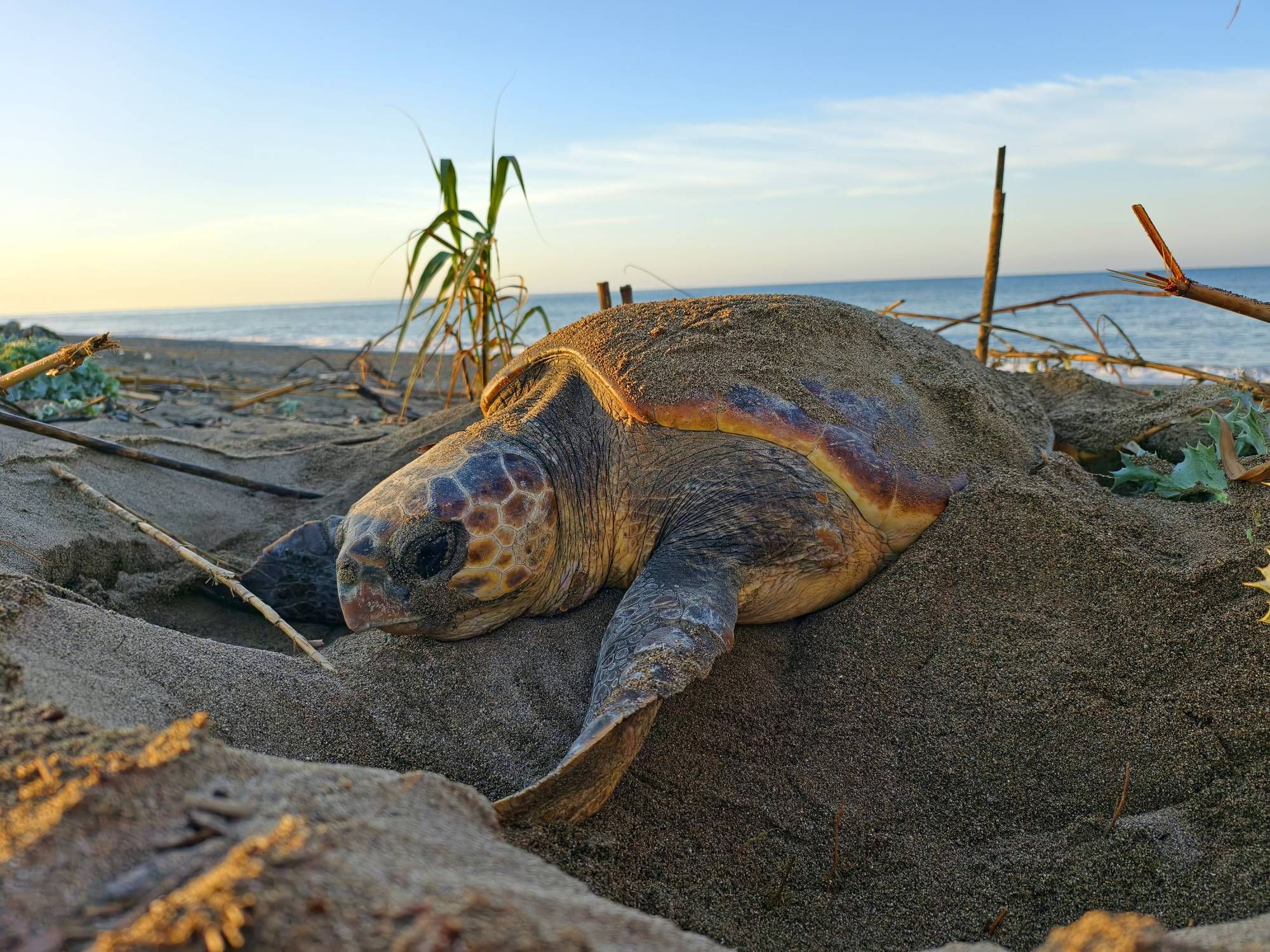
From Common Dreams via This RSS Feed.
1000
38
Knowledge is power. Silence is protection. The Red Card speaks for you. Know your rights (Staged Demonstration)
(cdn.social.linux.pizza)